Karnataka Urges Centre to Review E20 Petrol Programme Over Ethanol Content Variations
Published
Updated
3 min read 7 views
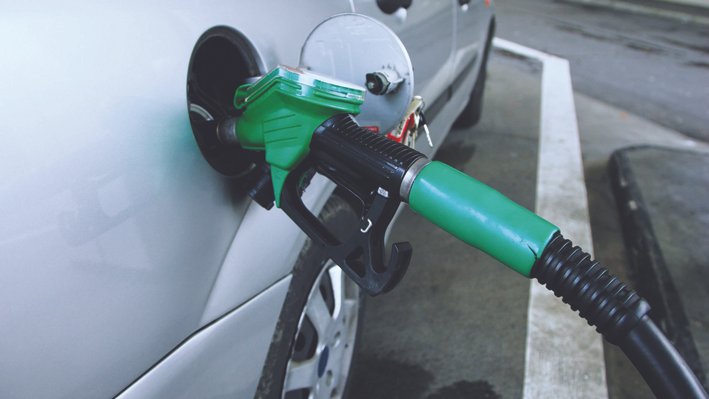
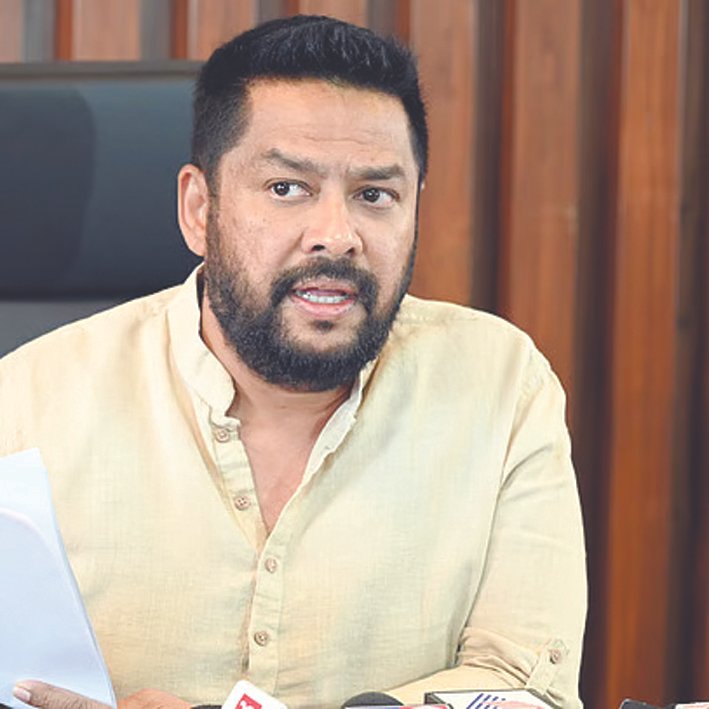
Bengaluru, Nov 18 : Karnataka Minister Rizwan Arshad has urged the Central Government to review the implementation of the E20 petrol blending programme, raising concerns over excessive ethanol content, potential vehicle damage and inaccuracies in fuel dispensing at petrol pumps across the state.
In a letter to Union Petroleum and Natural Gas Minister Hardeep Singh Puri, Arshad said independent laboratory tests revealed that 11 out of 14 petrol samples collected from retail outlets in Karnataka contained ethanol levels exceeding the prescribed 20 per cent. The highest concentration was recorded at 31.2 per cent.
The minister clarified that Karnataka supports the ethanol blending initiative but opposes excessive blending that could adversely affect consumers and vehicles, particularly older models not designed for higher ethanol concentrations.
Arshad said the state government had received several complaints from motorists regarding reduced mileage, rough engine performance, vehicle damage and discrepancies in the quantity of fuel supplied.
In September, state officials inspected 63 petrol outlets operated by Indian Oil Corporation, Bharat Petroleum, Hindustan Petroleum and Mangalore Refinery and Petrochemicals Limited.
Of the 63 fuel samples initially sent for laboratory testing through oil marketing companies, reports for only 42 had been received. However, none of these reports specified the ethanol percentage, raising questions about compliance with E20 standards.
Dissatisfied with the findings, the government conducted independent testing through laboratories accredited by the National Accreditation Board for Testing and Calibration Laboratories (NABL).
The results showed ethanol concentrations ranging from 13.5 per cent to 31.2 per cent, with 11 samples exceeding the prescribed blending level.
Arshad also expressed concern over premium petrol priced between Rs 120 and Rs 140 per litre, stating that higher ethanol concentrations were detected in these fuel grades as well.
Highlighting irregularities in fuel dispensing, the minister cited a statewide inspection conducted by Karnataka's Department of Legal Metrology.
Of the 5,946 petrol outlets in the state, 805 were inspected, and 768 required recalibration. Among 3,071 dispensing nozzles examined, 2,618 showed deviations from their rated accuracy, while 101 outlets were found dispensing fuel beyond permissible error limits.
Authorities registered cases against the violating outlets and imposed fines totalling Rs 6.66 lakh.
Arshad criticised two Central Government notifications that extended the mandatory verification period for fuel dispensing units from 12 to 24 months and permitted private government-approved test centres to undertake verification.
He argued that extending the inspection interval could expose consumers to inaccurate fuel dispensing for longer periods.
The minister said Karnataka had decided to continue annual verification of dispensing units through government inspectors and had sought reconsideration of the notifications.
To strengthen consumer protection, Arshad proposed displaying the actual ethanol percentage of petrol at retail outlets and including the information on fuel purchase bills.
He also recommended making E10 and ethanol-free petrol available alongside E20 at affordable prices until vehicles become fully compatible with higher ethanol blends.
Other proposals included independent random fuel testing through NABL-accredited laboratories and establishing a dedicated compensation fund for motorists whose vehicles suffer damage due to excessive ethanol content.
Arshad urged the Centre to introduce a simple, time-bound compensation mechanism based on certification from authorised vehicle service centres.
Calling for coordination between the Petroleum and Consumer Affairs Ministries, he stressed the need for continuous monitoring, improved fuel infrastructure and greater transparency in fuel quality and quantity.
The minister said Karnataka was prepared to share its findings with the Centre and participate in discussions to ensure that the transition to ethanol-blended petrol does not compromise consumer interests.